Tuesday, 31 May 2016

Term 2 Week 5 2016

Homework

  • Ex 5A, P. 151-155, Models of the Atom


Parts of the Atom


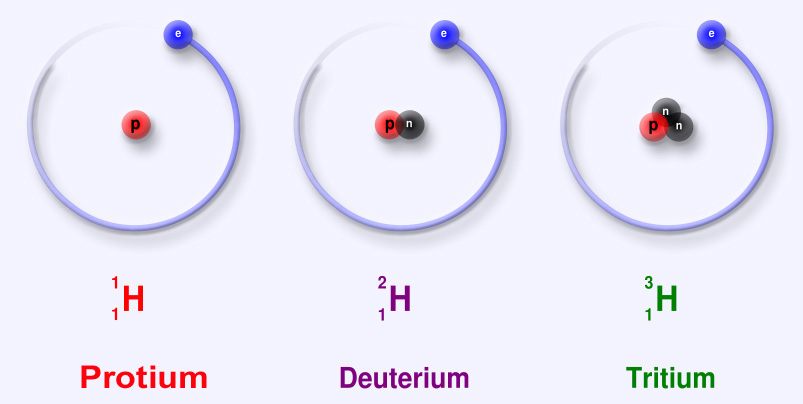
Isotopes
Isotopes are versions of an atom or an element that have the same number of protons, but different numbers of neutrons


Radioactive Decay
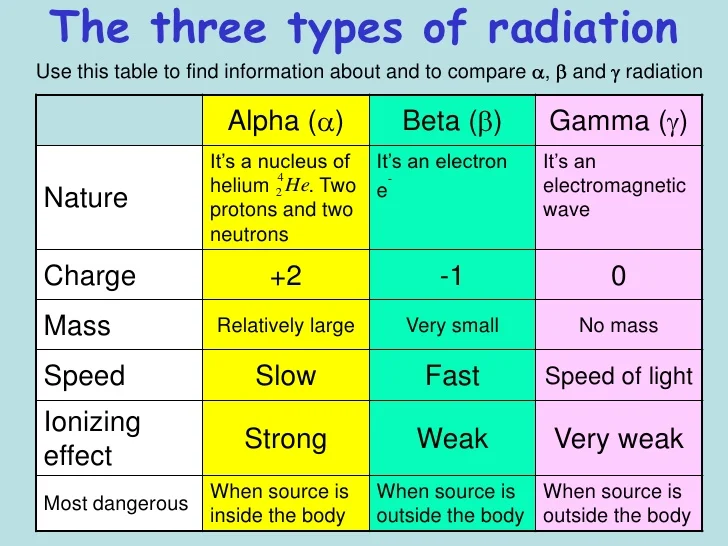
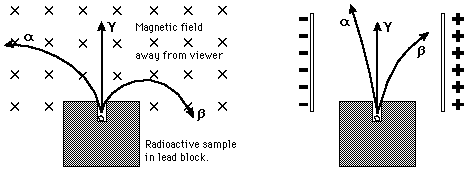
Alpha, Beta & Gamma Radiation


  • Alpha particles are emitted by a larger nucleus that has too many Protons
  • Beta particles are emitted by a nucleus that has too many Neutrons
  • Gamma photons are emitted by a nucleus that has too much Energy (is in an exited state)


Alpha Decay

Beta Decay


Radiation

Types of Radiation

Half-Life

Half-Life Explanation


Half-Life Calculations


Half-Life Formula


A = Ao(½)n


A: Amount of radioactive substance now present
Ao: Amount of radioactive substance originally present

n: Number of Half-Lives that have past

If you can understand the maths for using the formula above, you will be able to pinpoint your answers instead of estimating them using a graph.
You will need to be able to use the 3rd Log Law to solve for half lives.


Sunday, 22 May 2016

Term 2 Week 4 2016

Homework

Complete Ex 3B, p.47-52 Light Refraction


Models of the Atom


Thomson's Plum Pudding Model

Rutherford's Gold Foil Experiment


Term 2 Week 3 2016

Homework


  • Ex 3G, p.76-79, Two Point Source Interference
  • Ex 3H, p.81-83, Wave Reflection
  • Ex 3I, p. 85-87, Wave refraction
  • Ex 3B, p.47-52, Light Refration

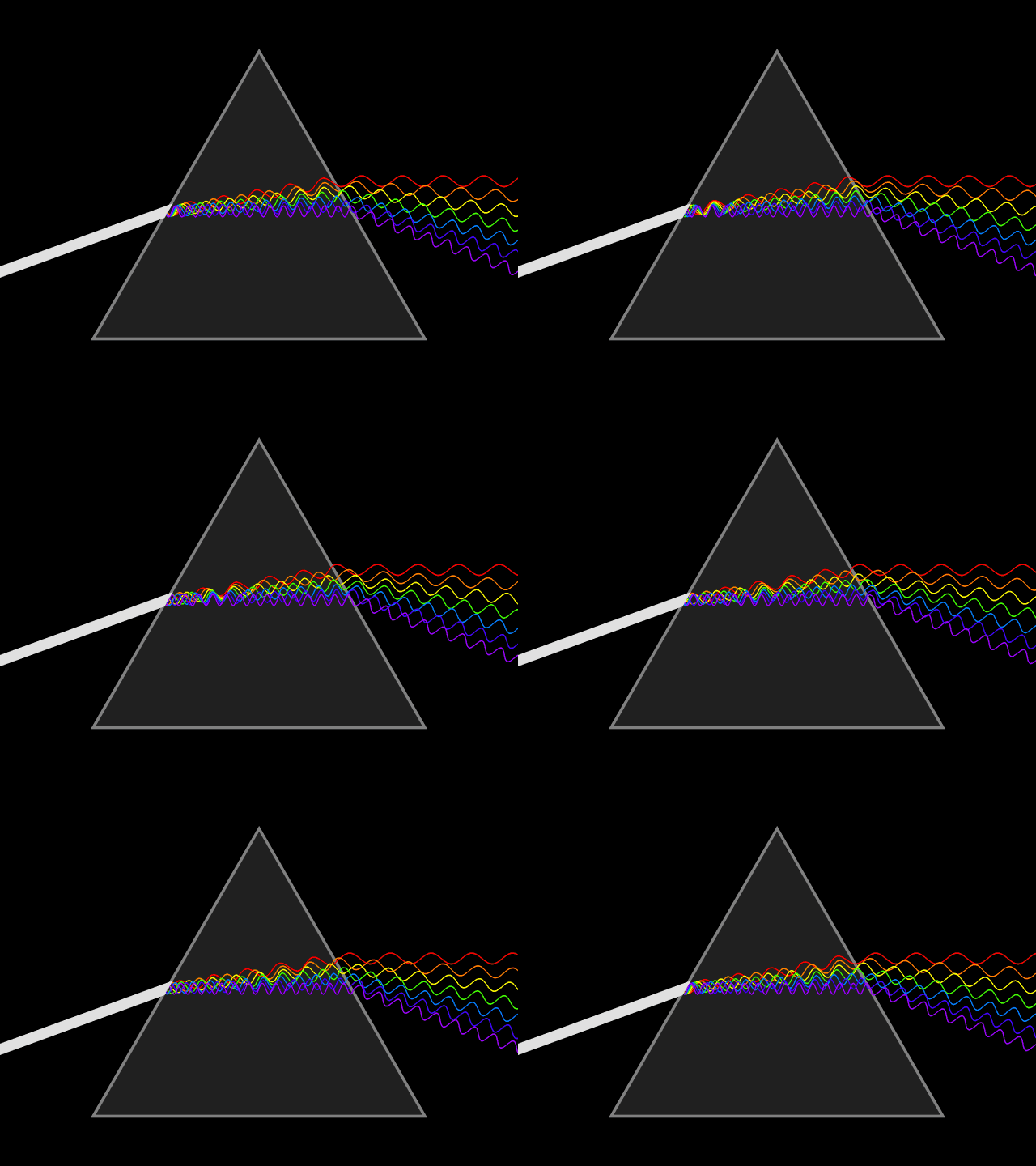
Refraction of Light


v1/v2 = 𝛌1/𝛌2 = sin(𝜭1)/sin(𝜭2) = n2/n1 ← Wave Refraction

n1sin(𝜭1) = n2sin(𝜭2) ← Snell’s Law (light only)


Critical Angle


This is when the refracted angle equals 90o

Therefore sin(𝜭c) = n2/n1


    Use this simulation when answering questions to help your understanding


    Wednesday, 11 May 2016

    Term 2 Week 2 - 2016

    Homework


    • Ex 3G, p. 76-79 Two Point Source Interference
    • Ex 3H, p. 81-83 Reflection and Superposition on a String
    • Ex 3I, p. 85-87 Refraction and Superposition on a String

    Diffraction


    Interference and Superposition


    Two Point Source Interference


    Waves on a String


    Cymatics


    Tuesday, 3 May 2016

    Term 2 Week 1 - 2016

    Waves

    Homework;
    • Ex 3D, p. 66-67 Wave Properties
    • Ex 3E, p. 69-70 Waves & Wavefronts
    • Ex 3F, p. 73-75 Interference & Superposition

    Basic Wave Properties

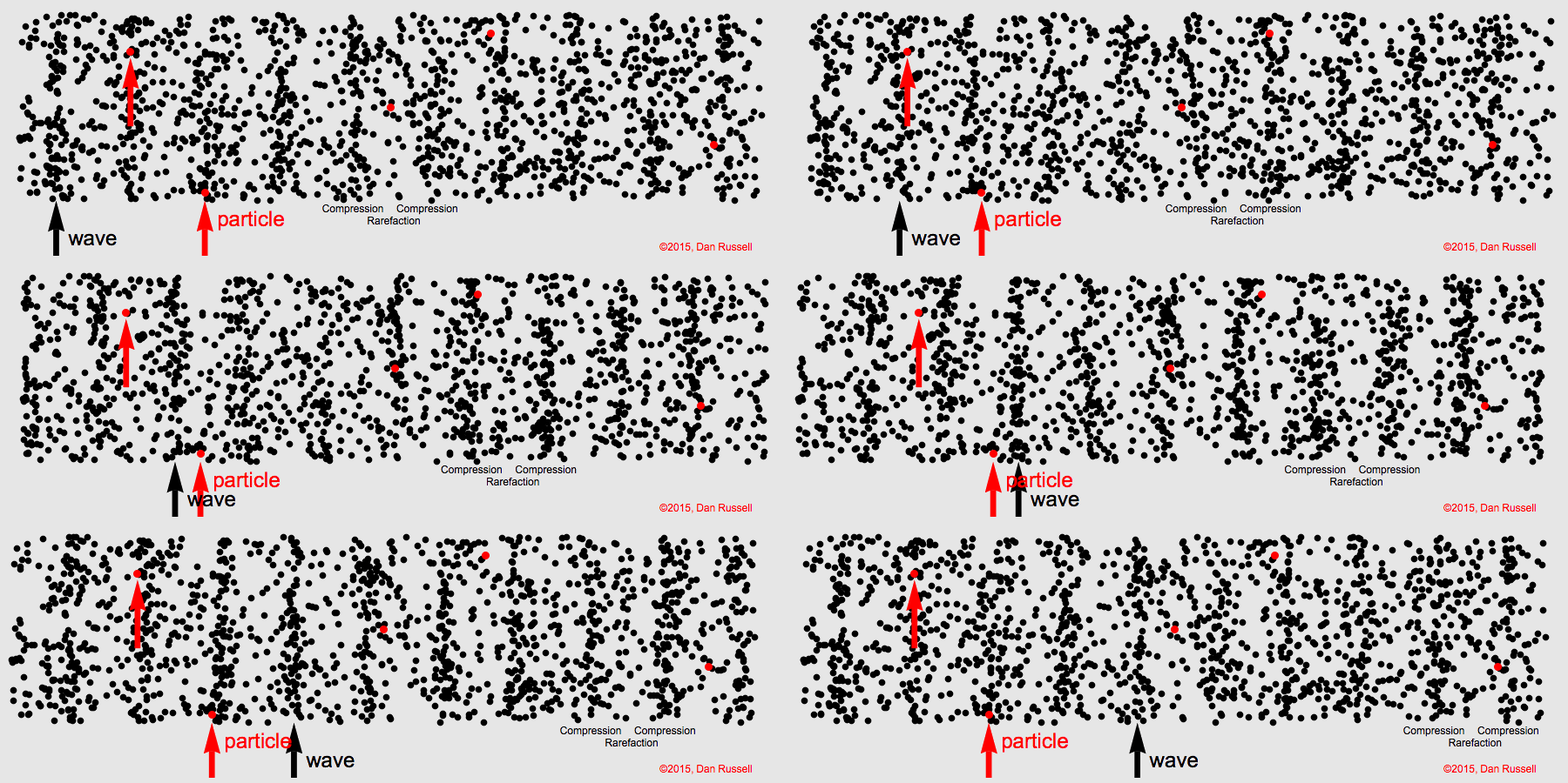
    Longitudinal Waves
    In Longitudinal waves the particle displacement in the medium is parallel to the direction of wave propagation.
    e.g. Sound Waves are Longitudinal Waves


    Transverse Waves

    In transverse waves the particle displacement in the medium is perpendicular to the direction of wave propagation.
    e.g. Light Waves and all Electromagnetc (EM) Waves are Transverse Waves


    Wavelength


    Sunday, 10 April 2016

    Term 1 Week 11

    Homework :

    Torque Ex 4G, p. 125-129

    Torque

    Also called:

    • Rotational Force
    • Moments about a point
    • Units are Newton meters (Nm)
     
    𝝉 = F L⦜
    • 𝝉 - Torque (Rotational Force). Product of Force (F) times leaver length (L) at right angles (⦜) to the force.
    • Do not confuse Torque with Work! With Work the Force and distance are parallel, (W = F d∥). Torque Nm are not Joules!

    In Level 2 Physics, you will be dealing with static systems that are in equilibrium. They are balanced so the net torque is always zero (Newton's First Law).

    Monday, 4 April 2016

    Term 1 Week 10

    Relationships

    Students are working on their Phy 2.1, AS91168 Non-Linear Investigation Assessment this week